SEC Opens a New Path for Tokenized Stocks
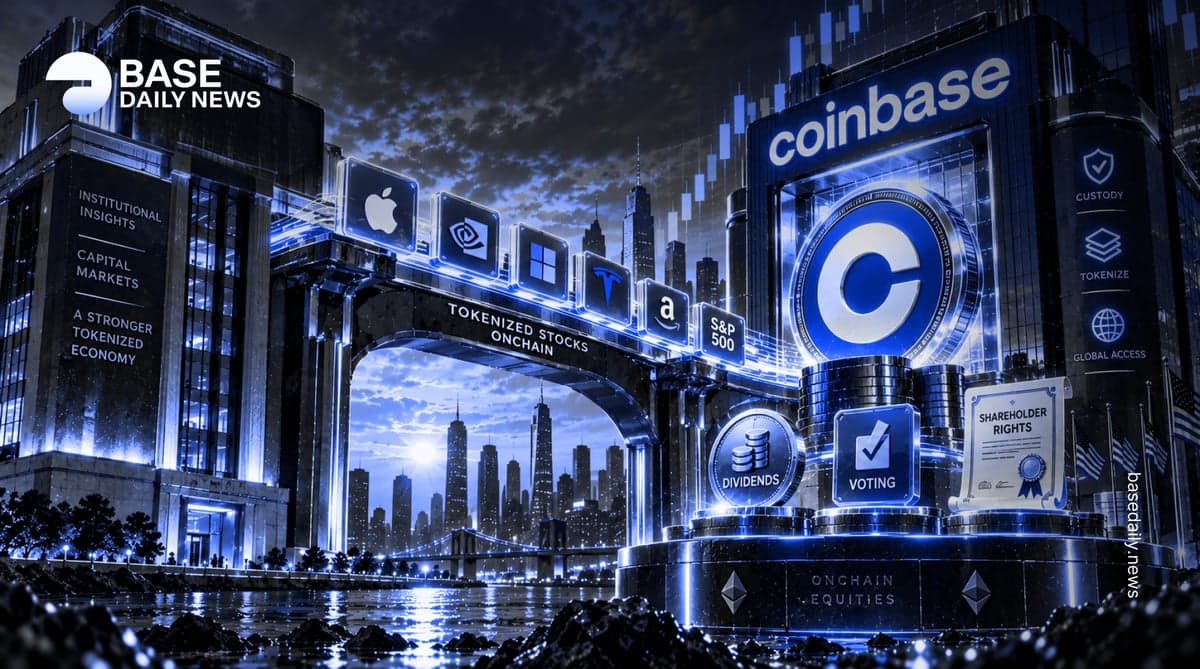
The U.S. Securities and Exchange Commission's new framework for tokenized stocks could create several business opportunities for Coinbase, according to Goldman Sachs analysts.
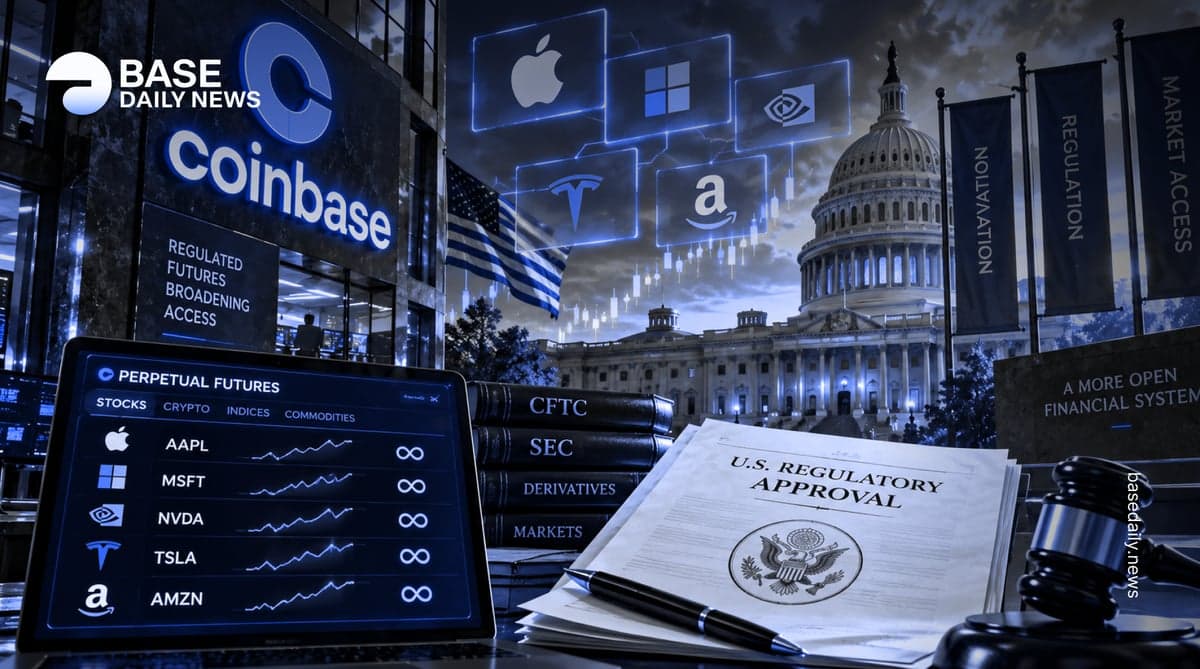
On Sept. 17, 2026, the SEC issued its Innovation Exemption, providing temporary and conditional relief for certain Tokenized Securities Venues, or TSVs, that use permissioned automated market makers and liquidity pools to facilitate trading in tokenized National Market System stocks. The exemption is scheduled to expire after five years.
The framework is not a blanket approval for every tokenized equity product. Eligible tokenized stocks must meet specific requirements, including providing holders with the same rights and privileges as equivalent traditional shares. The SEC also requires smart contracts used by qualifying venues to be auditable, public and deployed on public, permissionless distributed ledgers. Read the SEC's official Innovation Exemption announcement.
Goldman Sachs Highlights Coinbase's Potential Role
Goldman Sachs analysts identified Coinbase as one of the companies that could benefit from the regulatory change. Their analysis points to several potential channels, including custody, tokenization infrastructure and stablecoin-based settlement.
For Coinbase, the opportunity is broader than simply allowing customers to trade tokenized shares. The exchange operates a cryptocurrency trading platform, provides institutional custody services and developed Base, its Ethereum Layer-2 network. These businesses could potentially intersect with tokenized securities if regulated onchain equity markets expand.
However, the SEC's framework does not automatically authorize Coinbase or any other company to offer tokenized U.S. stocks. Trading venues must satisfy the conditions of the exemption, and individual tokenized securities must also meet the framework's requirements.
Custody Could Become an Important Part of the Market
Custody is one of the areas Goldman Sachs identified as a potential opportunity for Coinbase.
In traditional financial markets, custodians hold assets on behalf of investors and institutions. Tokenized securities introduce a blockchain-based representation of those assets, creating a need for infrastructure that can securely manage the underlying digital assets and associated records.
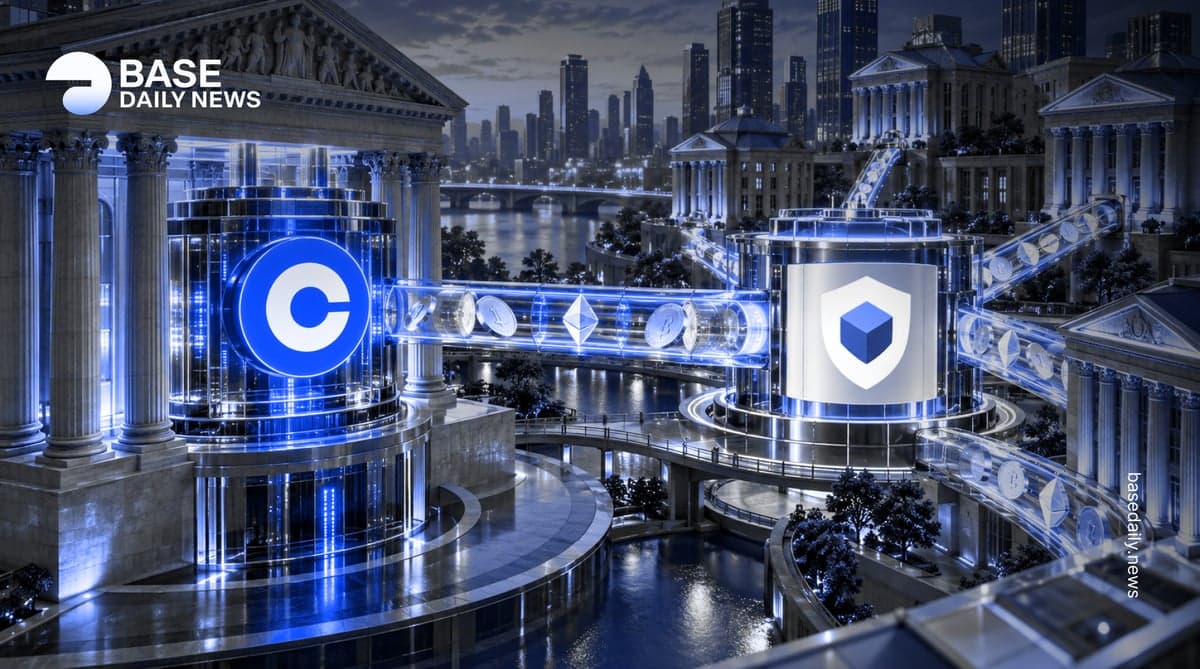
Coinbase already operates institutional custody services through its Coinbase Custody business. Its institutional platform provides custody and other infrastructure for professional investors, giving the company an existing business that could potentially connect with a broader tokenized-securities market.
Visit Coinbase's official institutional platform.
The extent of any benefit will depend on how quickly tokenized-stock trading develops in the United States, which securities issuers participate and what additional regulatory requirements apply.
Tokenization Could Expand Coinbase's Infrastructure Role
Another potential opportunity is tokenization infrastructure itself.
Tokenization converts an asset or security into a blockchain-based representation. Under the SEC's new framework, qualifying tokenized stocks can be traded on designated onchain venues, provided they satisfy the conditions established by the regulator. The SEC specifically requires qualifying tokens to preserve the rights and privileges associated with the underlying traditional stock.
The SEC also gives issuers an opportunity to object when an unaffiliated third party tokenizes their stock. A Tokenized Securities Venue must provide written notice to the issuer before making such a security available for trading. This means tokenization under the new framework remains tied closely to the legal and economic characteristics of the underlying security.
Read the SEC's full exemptive order for the detailed requirements governing eligible tokenized-stock venues.
USDC Settlement Could Add Another Layer
Goldman Sachs also highlighted the potential role of USDC settlement as tokenized securities trading develops. USDC is a dollar-backed stablecoin issued by Circle and is already widely used across blockchain-based financial markets.
If tokenized stocks increasingly trade through blockchain infrastructure, stablecoins could potentially be used alongside those assets for settlement. This could create additional demand for digital dollars such as USDC, particularly if onchain securities markets operate continuously or across traditional market infrastructure.
The SEC's new framework allows qualifying tokenized-stock venues to use permissioned automated market makers and liquidity pools. The regulator also requires public disclosure of specified trading information and imposes limits on the number of eligible securities and trading volumes.
That means the development of tokenized securities will occur within a controlled framework rather than through unrestricted blockchain-based stock trading.
Coinbase Is Not the Only Company Being Watched
Goldman Sachs' analysis also identified other companies that could benefit from the development of regulated tokenized securities markets, including Robinhood and Circle.
Coinbase's potential exposure is differentiated by the combination of its trading, custody, blockchain and stablecoin-related infrastructure. Robinhood has pursued tokenized-equity products outside the United States, while Circle's USDC could potentially play a role in onchain settlement.
The SEC framework itself does not designate particular companies as beneficiaries. Instead, it establishes conditions under which qualifying venues and liquidity providers can operate under temporary exemptions.
What the SEC Framework Means for Tokenized Equities
The Innovation Exemption is designed as a temporary framework while the SEC evaluates how tokenized securities markets develop. The agency is also requesting public comments on the exemption and potential next steps.
The rules include safeguards designed to connect tokenized stocks with their traditional counterparts. A tokenized NMS stock must provide equivalent rights, while trading must stop when the underlying stock is halted on its primary listing exchange. The framework also places limits on the number of securities and trading volume available through qualifying venues.
For Coinbase, the development could create opportunities across several parts of its business if regulated tokenized-equity markets gain traction. But the actual scale of those opportunities will depend on adoption, issuer participation, regulatory implementation and demand from institutional and retail market participants.