Coinbase Teases a New Way to Open Pokémon Packs
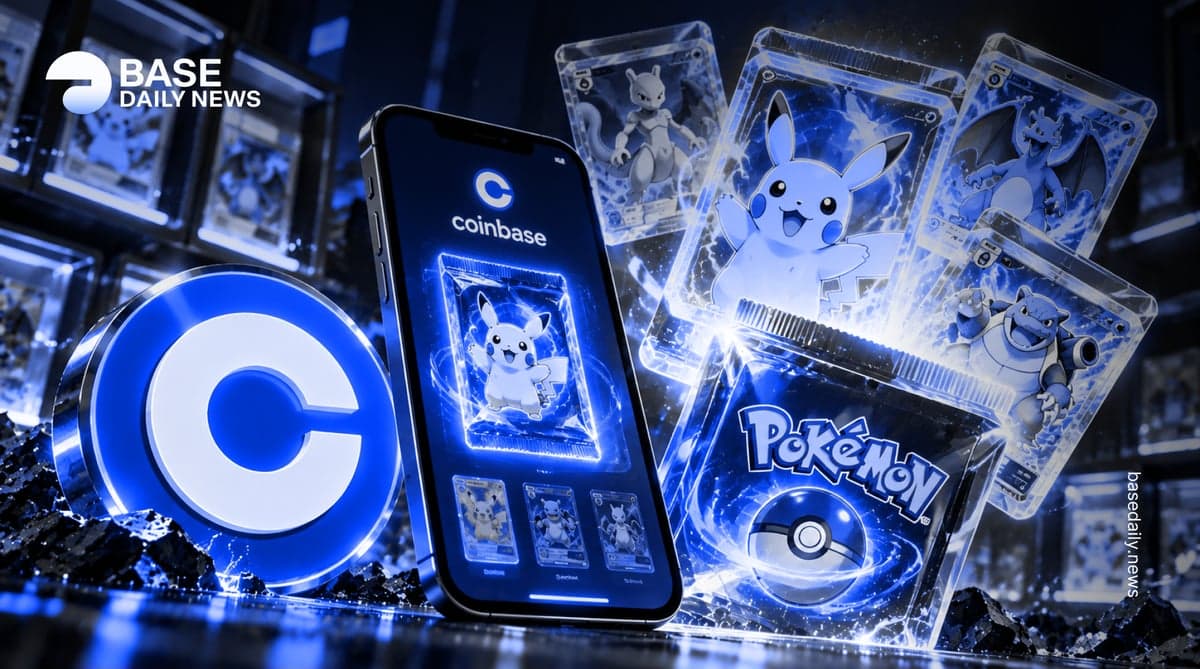
Coinbase is preparing to enter the digital collectibles market with a product that could allow users to open Pokémon-themed packs from their phones while the physical cards remain in storage.
The cryptocurrency exchange teased the concept on September 28, showing five Pokémon-themed packs numbered from 01 to 05. The announcement indicated that collectibles would have physical backing and that customers could either keep their cards in storage or request delivery. Coinbase later acknowledged the Pokémon connection in a follow-up exchange, although the company has not announced a firm launch date or provided full product specifications.
The teaser comes as Coinbase continues expanding beyond traditional cryptocurrency trading. The company has described its broader strategy as an “Everything Exchange,” with products spanning crypto, equities, derivatives and other financial markets.
Digital Pack, Physical Card
The proposed model separates the experience of opening a pack from physically handling the collectible.
Instead of receiving an envelope in the mail, a customer could potentially open a pack through a phone interface and discover which physical card they own. The card could then remain in custody until the owner decides to have it shipped. This structure would allow collectors to participate digitally while avoiding the need to immediately store, package or transport valuable cards themselves.
Coinbase's teaser does not yet establish whether the product will use NFTs or another form of digital ownership. It also does not explain whether users will be able to trade cards with other customers before requesting physical delivery.
That distinction is important because several existing collectibles platforms already demonstrate how digital ownership and physical custody can work together.
Courtyard Already Uses a Similar Model
Courtyard's digital-pack and physical-card platform offers an established example. Its service allows users to open digital packs containing real collectibles, keep those items vaulted, trade them through a marketplace or request delivery of the physical card. Courtyard says its Pokémon cards are professionally graded and stored in its vaults.
The company has also documented a blockchain-based ownership model. Its earlier Pokémon collection used NFTs on Polygon, with each token backed by a corresponding PSA-graded physical Pokémon card held in a secure vault. Courtyard describes its system as linking a digital token to a specific physical collectible through a unique identity and proof-of-integrity process.
When a collector wants the physical item, Courtyard's redemption process requires identity verification and payment of applicable shipping and taxes. The company's documentation says the physical collectible is then shipped to the owner.
This provides a useful comparison for Coinbase, but it does not establish that Coinbase will use the same blockchain or custody structure.
GameStop Is Already Selling Digital Packs
Coinbase is also entering a market where GameStop's Power Packs service already offers digitally opened packs containing physical collectibles.
GameStop PowerPacks terms and purchase information confirms that Power Packs were introduced in April 2026. The service covers physical collectibles and sets terms governing the purchase of Power Packs, including age and U.S. residency requirements.
The supplied report says GameStop's packs range from $25 to $2,500 and include Pokémon, football, basketball and baseball cards, with customers able to keep cards vaulted, arrange delivery or sell them back. The highest-priced pack is therefore 100 times the entry-level price.
GameStop's model also illustrates an important distinction in the sector: a digital pack-opening interface does not necessarily mean the underlying ownership system uses blockchain tokens. Until Coinbase publishes more technical information, it remains unclear whether its product will be blockchain-based.
Phygitals Shows How Instant Buybacks Work
Another example comes from Phygitals, which operates digital pack experiences backed by physical graded cards.
Phygitals says customers can open packs, reveal real cards and choose whether to keep them vaulted, trade them, redeem them for physical delivery or sell them back. The platform currently advertises an 85% to 90% instant buyback based on the card's Alt Fair Market Value. For example, its published explanation shows a $100 card receiving an $85 to $90 instant buyback offer.
Phygitals also says pack outcomes use a public Verifiable Random Function (VRF) and that odds are disclosed. Its documentation explains that pack tiers can have different probabilities and expected values.
These features show the types of questions Coinbase will eventually need to answer. A digital collectible product needs clear information about the physical inventory, pack odds, ownership, valuation, redemption and resale process.
What Coinbase Has Not Revealed Yet
Despite the teaser, several important details remain unavailable.
Coinbase has not publicly disclosed the price of its Pokémon packs, individual card probabilities, storage fees, shipping costs, supported jurisdictions or resale mechanism in the material currently available. It has also not identified a physical card custody provider or confirmed whether cards will use established grading services such as PSA.
The exchange has not explained whether users will receive an NFT, another blockchain-based asset or an account-based digital record representing ownership. It has also not announced a licensing arrangement with The Pokémon Company.
Those details could significantly affect how the product works in practice. A collector may be interested in simply opening packs and storing cards, while another user may care more about transferring ownership, selling a card without shipping it or eventually redeeming the physical collectible.
Why Physical Custody Still Matters
Moving ownership into a digital interface does not eliminate the need for physical infrastructure.
Someone still has to authenticate the card, record its identity, protect it in storage and ensure that the correct collectible is delivered when a customer requests redemption. Blockchain technology can potentially provide a transferable record of ownership, but it does not replace the physical custody and fulfillment process.
That is why existing platforms such as Courtyard emphasize authentication, vaulting and redemption alongside their digital experiences. Courtyard currently describes its cards as vaulted and insured, with customers able to trade digitally and redeem physical collectibles.
For Coinbase, the same operational questions will likely be central once the company publishes full terms.
Coinbase Has Shown the Concept, Not the Full Product
Coinbase's September 28 teaser establishes the broad concept: customers could digitally open Pokémon packs, receive physically backed collectibles and choose between keeping them stored or requesting delivery.
The company has not yet supplied enough information to determine whether the product will function like Courtyard's blockchain-based collectibles, GameStop's digitally opened physical-card packs, Phygitals' buyback model or something different.
For now, the most important details remain inside the wrapper. Coinbase still needs to reveal the price, pack composition, odds, custody arrangements, redemption terms, resale capabilities and technical architecture.
Until those details are published, the announcement is best understood as an early product teaser rather than a fully defined Pokémon collectibles marketplace.