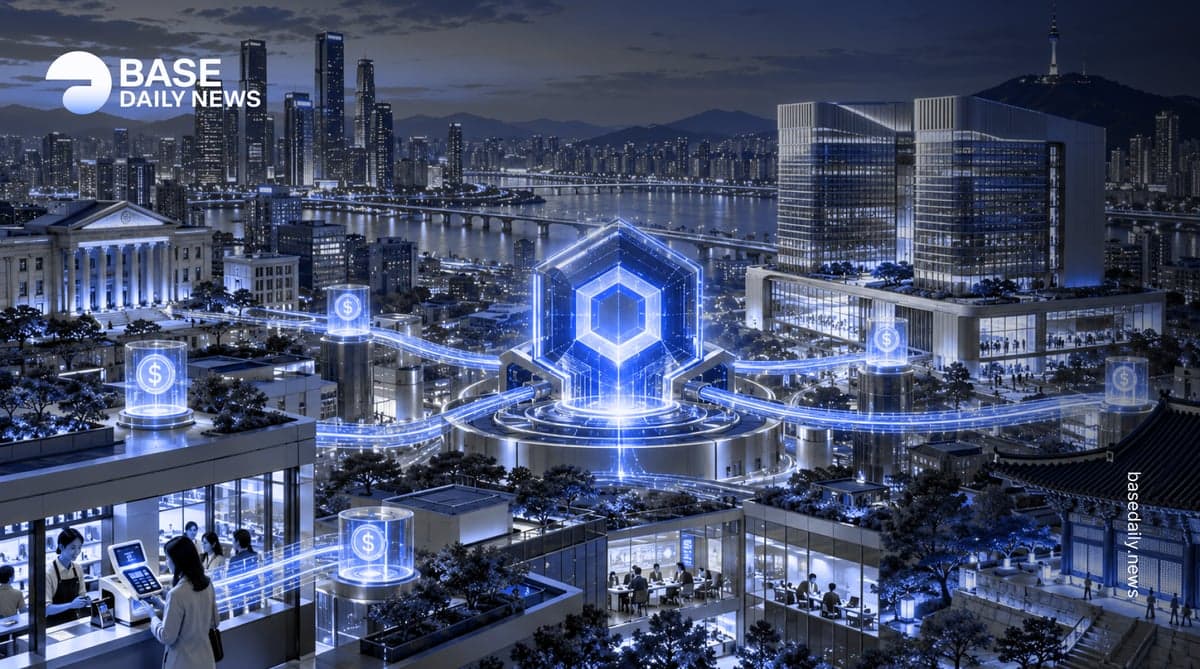
Chainlink has partnered with LG CNS, the technology and IT services subsidiary of South Korea’s LG Group, to support the country’s expanding digital asset market. Announced on October 22, 2026, the agreement focuses on increasing the utility and distribution of Korean stablecoins while developing infrastructure for institutional blockchain applications.
The companies are targeting a digital asset market valued at $68 billion in their announcement, with more than 11 million eligible users identified as a potential audience for Korean stablecoins. The partnership is intended to combine LG CNS’s experience working with institutional and financial systems with Chainlink’s blockchain data and interoperability technology.
The agreement comes as South Korea develops a legal framework for digital assets, including stablecoins linked to the Korean won. However, the announcement describes a strategic collaboration rather than the launch of a specific stablecoin. It does not identify a token issuer, name a participating bank, disclose financial terms, or provide a commercial deployment date.
What the Chainlink and LG CNS Partnership Covers
The partnership has three main areas of focus: integrating Chainlink infrastructure into LG CNS’s digital asset platform solutions, contributing to technical standards for South Korea’s digital asset economy, and developing solutions for Korean financial institutions.
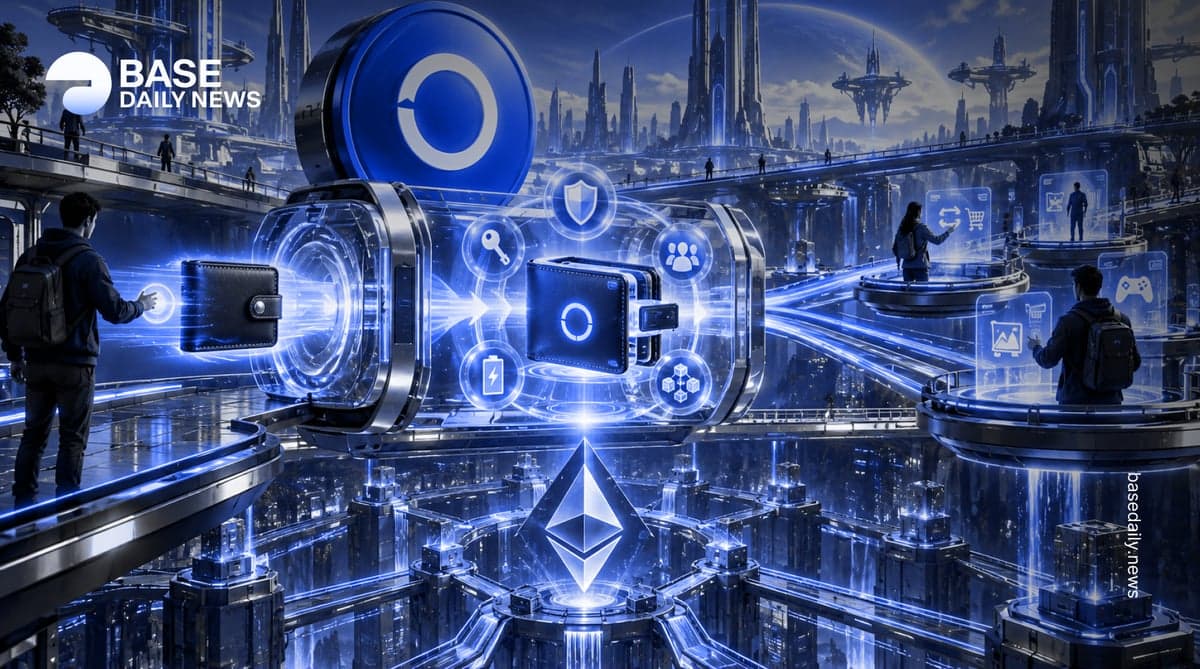
LG CNS plans to incorporate Chainlink’s cross-chain, data, and orchestration infrastructure into the platforms it builds for institutional clients. These capabilities are designed to connect blockchain networks with one another and with existing financial systems, helping applications access external information and interact across different environments.
The companies also intend to combine their technical and institutional expertise to advance standards for regulated digital assets. Their stated areas of interest include oracle infrastructure, interoperability, and cross-chain connectivity—capabilities that can help financial institutions build applications involving tokenized assets and digital money.
The full announcement is available in Chainlink’s partnership release.
Korean Stablecoins Are a Key Priority
Expanding the utility and distribution of Korean stablecoins is one of the partnership’s central objectives. Stablecoins are digital tokens designed to maintain a relatively stable value by referencing an asset such as a national currency. A token linked to the Korean won could potentially support digital payments, transfers, and settlement, depending on its design and the applicable regulations.
South Korea is still developing a clear legal framework for the commercial issuance and trading of won-linked stablecoins. The proposed Digital Asset Basic Act is expected to establish rules for the sector alongside broader standards for digital assets. The partnership therefore arrives while regulatory requirements and the market structure for Korean stablecoins are still evolving.
Although the companies have identified stablecoin distribution as a priority, they have not announced a specific won-backed token or confirmed when a new product will become available. The agreement should be understood as an infrastructure and development initiative, rather than evidence that a new stablecoin is already operating.
How Chainlink’s Technology Supports Digital Assets
Chainlink operates a decentralized oracle network that connects blockchain-based smart contracts with external data and systems. Blockchains do not automatically access every type of information outside their own networks, so oracle infrastructure can help deliver data that applications need to function.
For financial applications, this can include information such as asset prices and other external data used by smart contracts. Cross-chain infrastructure can also help applications and institutions exchange information or coordinate activity across separate blockchain networks. Orchestration tools support the coordination of these processes and interactions.
These capabilities are relevant to tokenized assets, which represent financial or other real-world assets through blockchain-based records. Institutional platforms may need dependable data, connections to existing financial systems, and secure interoperability before they can support tokenized securities or other regulated digital products at scale.
More information about Chainlink’s technology and services is available on the official Chainlink website.
LG CNS Brings Institutional and Financial Infrastructure Experience
LG CNS is the AI transformation and IT services arm of LG Group, one of South Korea’s largest business groups. The partnership builds on the company’s work in technology infrastructure for financial institutions and its involvement in the country’s digital currency initiatives.
LG CNS is the lead contractor for Project Hangang, the Bank of Korea’s flagship digital currency initiative. The first phase of the project involved approximately 80,000 customers across seven South Korean banks. This experience places LG CNS within the country’s ongoing exploration of blockchain-based financial infrastructure.
The companies see an opportunity to combine that institutional experience with Chainlink’s blockchain connectivity and data capabilities. Their broader objective is to help Korean institutions develop digital asset services that can operate across networks and connect with existing systems.
Details about LG CNS’s technology and institutional services are available through its official website.
Executives Highlight Tokenization and Global Expansion
Hongkeun Kim, executive vice president and head of the Digital Business Division at LG CNS, said the partnership reflects the changing direction of the country’s financial infrastructure.
“Korea's financial infrastructure is entering the tokenization era. LG CNS is committed to leading this transition, and together with Chainlink, we aim to accelerate the growth of Korea's tokenized securities market by enabling secure interoperability and real-world data, while creating a foundation for global expansion,” Kim said in the announcement.
The statement places tokenized securities alongside stablecoins as part of the companies’ broader ambitions. Tokenized securities use blockchain-based representations of financial instruments, potentially enabling new ways to issue, transfer, or manage those assets. Their use in regulated markets requires suitable infrastructure and compliance with applicable laws.
The partnership does not, by itself, confirm that a new tokenized securities product has launched or that a particular financial institution has adopted the technology.
What Comes Next for the Partnership
The next stage will depend on how the companies translate their agreement into practical services for Korean institutions. Key developments to watch include the integration of Chainlink infrastructure into LG CNS’s digital asset platform, the emergence of specific institutional use cases, and progress toward technical standards for regulated digital assets.
South Korea’s regulatory framework will also influence how won-linked stablecoins can be issued and distributed commercially. Until the relevant rules and product details become clearer, the partnership’s immediate significance lies in the companies’ plan to build supporting infrastructure and expand the potential uses of digital assets.
For now, Chainlink and LG CNS have established a strategic framework focused on stablecoins, institutional blockchain platforms, interoperability, and tokenized securities. The announcement signals an effort to prepare for a more connected digital asset market in South Korea, but specific products, deployment timelines, and commercial outcomes remain unconfirmed.