Base’s DeFi Ecosystem Draws More Attention
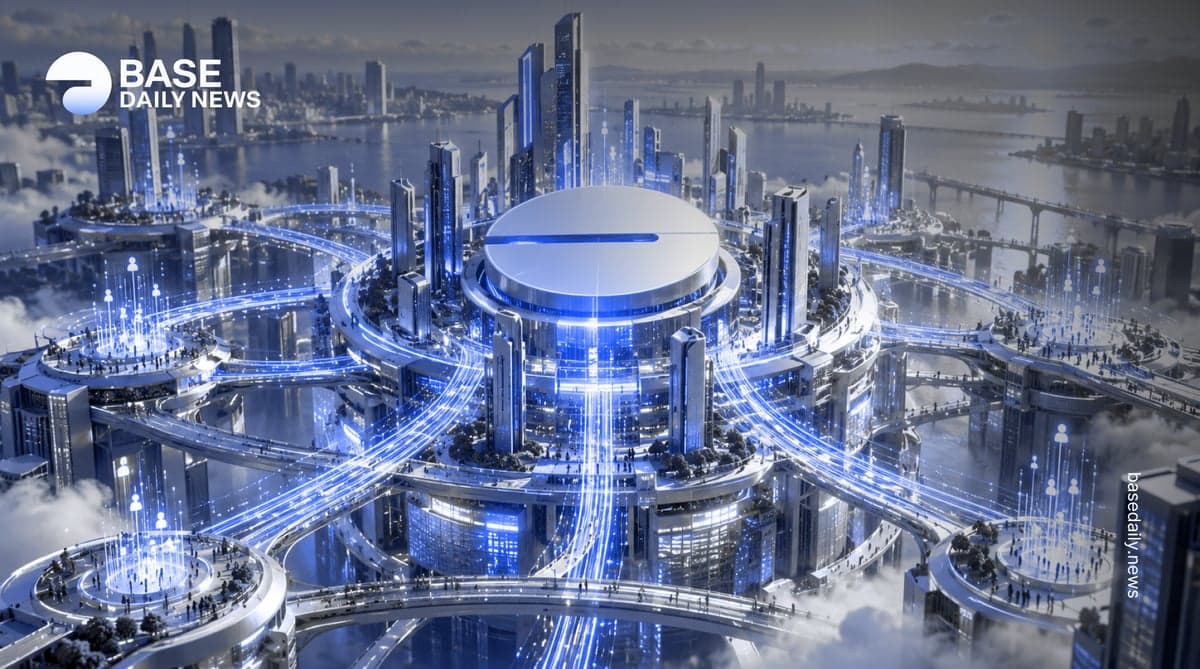
Base is developing into a broader environment for decentralized finance (DeFi), bringing together lending protocols, decentralized exchanges, tokenized assets, and new payment applications. The ecosystem includes established protocols such as Morpho, Uniswap, and Aave, which support different parts of onchain financial activity.
The supplied figures place Base’s total value locked (TVL) at approximately $18.5 billion in September 2026, describing it as the highest level shown in the referenced chart from Token Terminal. TVL measures the value of assets deposited in blockchain applications, making it a useful indicator of capital committed to a DeFi ecosystem.
However, TVL should be interpreted carefully. Figures can differ depending on whether a dashboard measures assets deposited in DeFi protocols, bridged assets, or a broader set of onchain holdings. A higher TVL can indicate increased capital participation, but it does not independently demonstrate user growth, protocol security, or sustainable demand.
Lending and Trading Protocols Support Base Activity
Protocols such as Morpho, Uniswap, and Aave provide lending and trading services that allow users to interact with digital assets without relying exclusively on traditional financial intermediaries.
Lending applications allow users to supply assets and, where supported, borrow against collateral. Decentralized exchanges facilitate token swaps through blockchain-based liquidity systems. Together, these services give users more ways to deploy capital and give developers infrastructure for building additional financial applications.
The growth of these protocols can also create opportunities for builders developing wallets, trading interfaces, lending products, and tools that connect different asset types. Nevertheless, activity and liquidity are not evenly distributed across every application, and each protocol has its own collateral rules, risks, and supported assets.
Tokenized Stocks Bring Traditional Assets Into DeFi
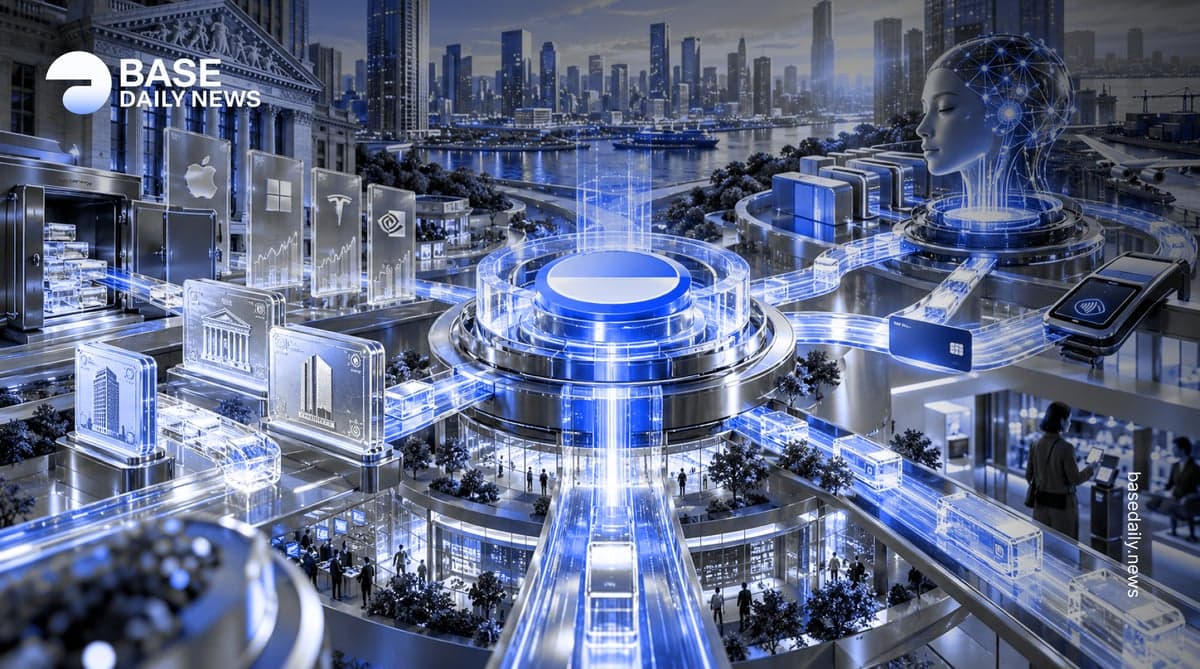
One notable development is the arrival of Coinbase tokenized stocks as collateral on Aave V4 on Base. Launched in September 2026, the Equities Hub allows eligible users outside the United States to deposit supported tokenized U.S. stocks and borrow USDC against them in permitted jurisdictions.
The initial assets include tokenized versions of Apple, Amazon, Alphabet, Meta, Microsoft, Nvidia, and Tesla. The stocks can be used as collateral, but borrowing the tokenized stocks themselves and opening equity-against-equity positions were not enabled at launch.
The market operates around the clock, allowing eligible users to supply collateral, borrow, repay, and withdraw outside conventional stock-market hours. However, its pricing infrastructure has specific limitations: Chainlink’s price feeds publish tokenized-equity prices during designated market hours, and prices may remain unchanged over weekends and U.S. market holidays.
This model creates a connection between traditional equity exposure and decentralized lending. Eligible users can potentially access USDC liquidity without selling the tokenized stocks they hold, while suppliers provide liquidity to the lending market. The system still carries collateral, market, liquidity, and protocol risks, and availability is restricted by geography and eligibility requirements.
Mastercard’s Agent Pay Adds to the AI Payments Trend
AI-powered payments are another area attracting attention across the broader blockchain and financial technology sectors. Mastercard’s Agent Pay initiative is designed to support transactions initiated by AI agents, allowing software to participate in purchasing and payment processes under defined controls.
Mastercard has outlined its approach to agentic commerce through its official Agent Pay announcement. Its subsequent Agent Pay for Machines initiative explores payments for services used by machines and software systems.
These developments reflect growing interest in automated payments that can operate with limited manual intervention. In blockchain-based environments, programmable transactions may also support applications that need to pay for services or execute financial operations automatically.
However, the existence of Mastercard’s Agent Pay program does not by itself establish that every Agent Pay transaction runs on Base. The relationship between AI payment systems and Base should be assessed through specific integrations and announcements rather than assumed from the wider trend.
Flap and the Push Toward Real-World Asset Tools
The supplied material also identifies Flap as a project adding tools for token launches paired with real-world assets (RWAs). These assets represent or relate to items and financial instruments outside native cryptocurrency markets, potentially including traditional financial products.
Tokenization can make asset-related representations available to blockchain applications, but the legal rights attached to a token depend on its structure, issuer, and governing arrangements. A token’s presence onchain does not automatically mean that it grants direct ownership of an underlying asset.
If launch tools, tokenized assets, and DeFi protocols become more interconnected, developers could create applications that combine asset issuance, trading, and borrowing. The scale of any resulting market will depend on regulatory requirements, reliable asset information, liquidity, and the protections available to users.
The supplied material does not identify a specific Flap announcement or technical documentation for this development, so further project details should be confirmed before making stronger claims about its functionality.
What Base Needs for Sustainable DeFi Growth
The combination of lending, tokenized equities, decentralized trading, and automated payments illustrates how blockchain ecosystems are extending beyond simple token transfers. Base provides infrastructure on which independent applications can build services for users and developers.
Still, TVL alone is not enough to determine whether an ecosystem is becoming stronger. Meaningful progress also depends on repeat usage, useful applications, dependable infrastructure, transparent risk controls, and sustainable liquidity. Security incidents or poorly designed financial products can undermine confidence even when headline metrics are rising.
For Base, the next stage of growth will depend on whether these integrations attract lasting demand and deliver practical benefits. The reported TVL figure and the arrival of stock-backed lending point to expanding activity, while AI payments and RWA tools represent additional areas to watch as the ecosystem develops.